Our History
Eight centuries of life, passion, and legacy in the heart of Pays de la Loire
The Origins: Colas Goupil
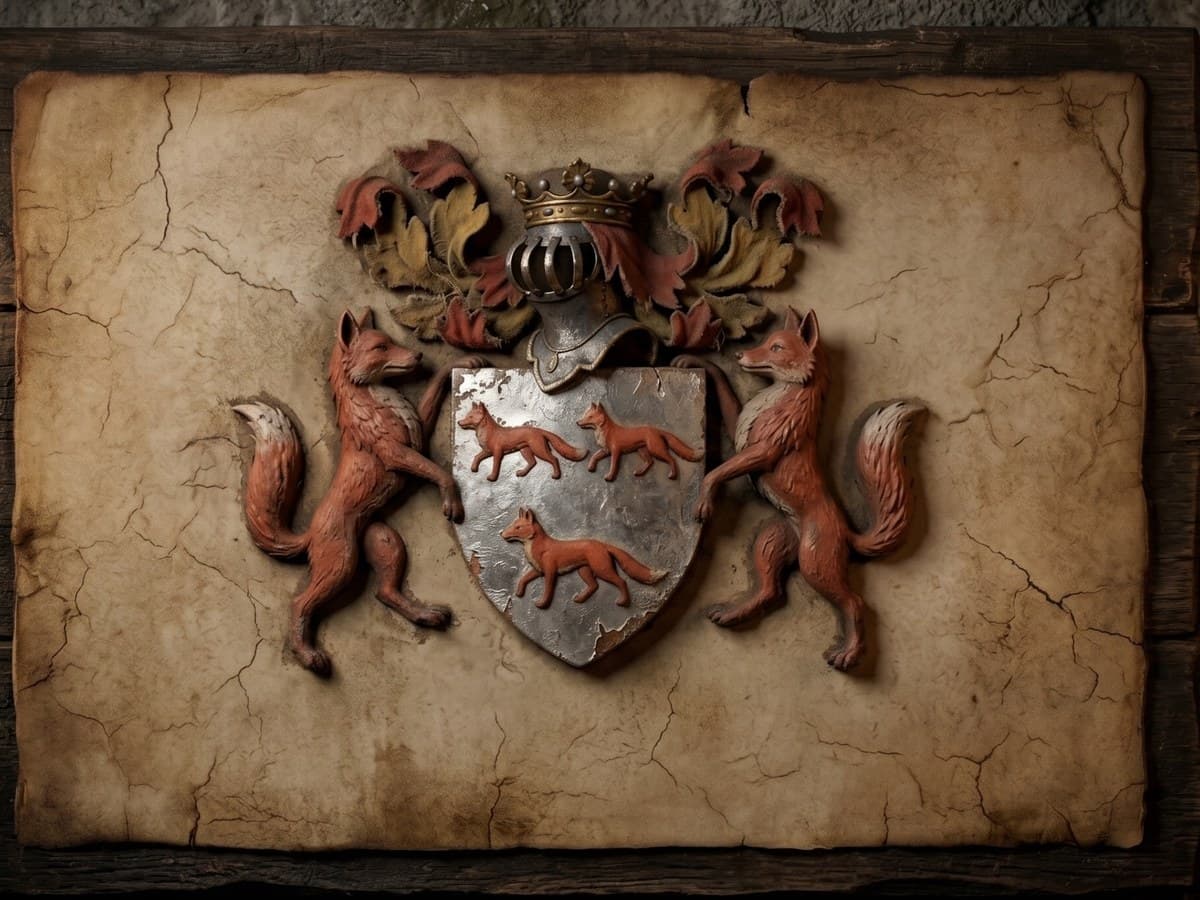
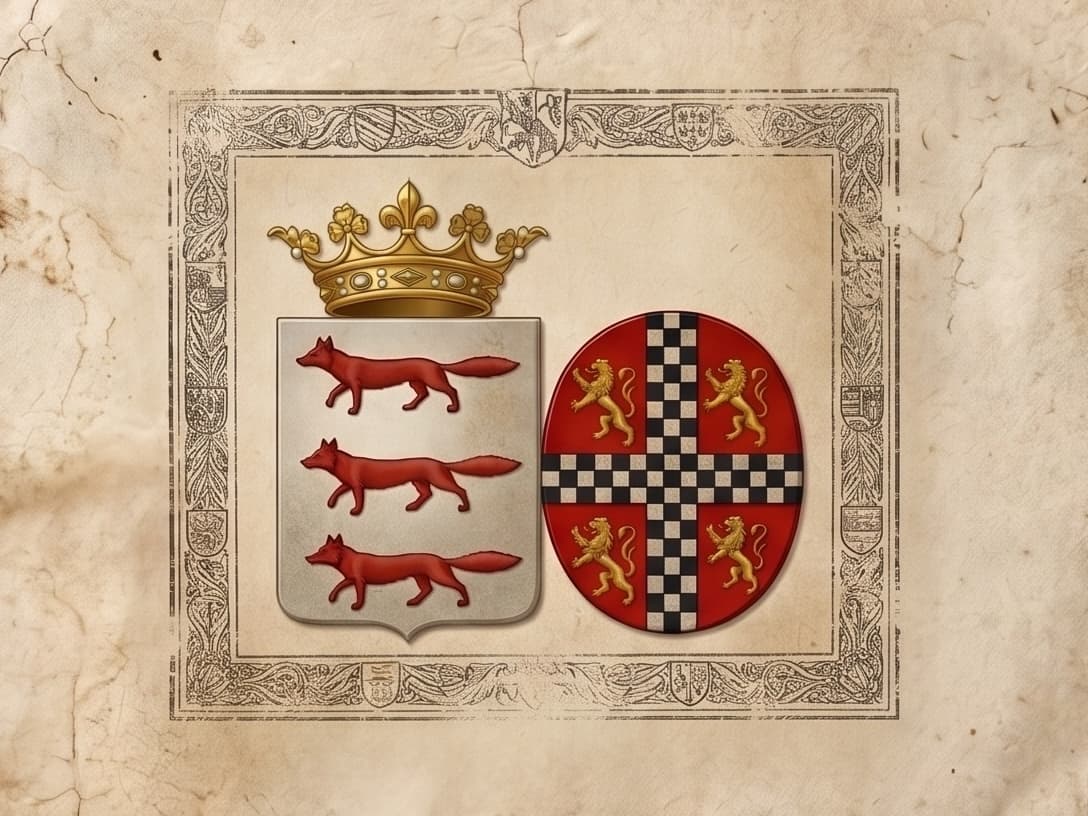
Colas Goupil acquires the lands he will name La Goupillère. His descendants become the lords of La Goupillère and adopt as their coat of arms three foxes gules on a field of argent.
The Estate Records
The earliest documents in our possession date from this year. They form part of the estate's cartulary, preserved to this day, containing the title deeds from that date to the present.
The Fortified Manor
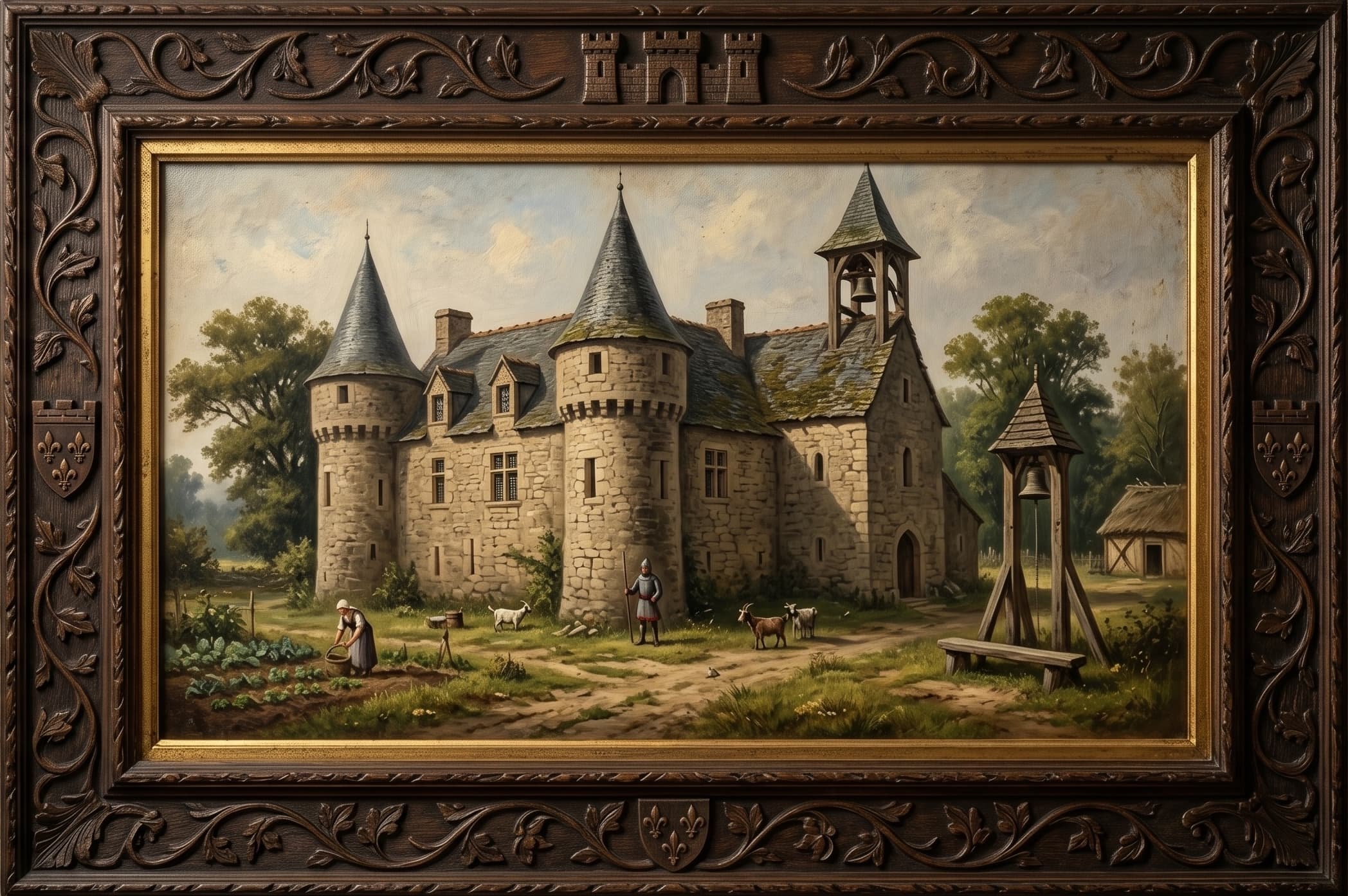
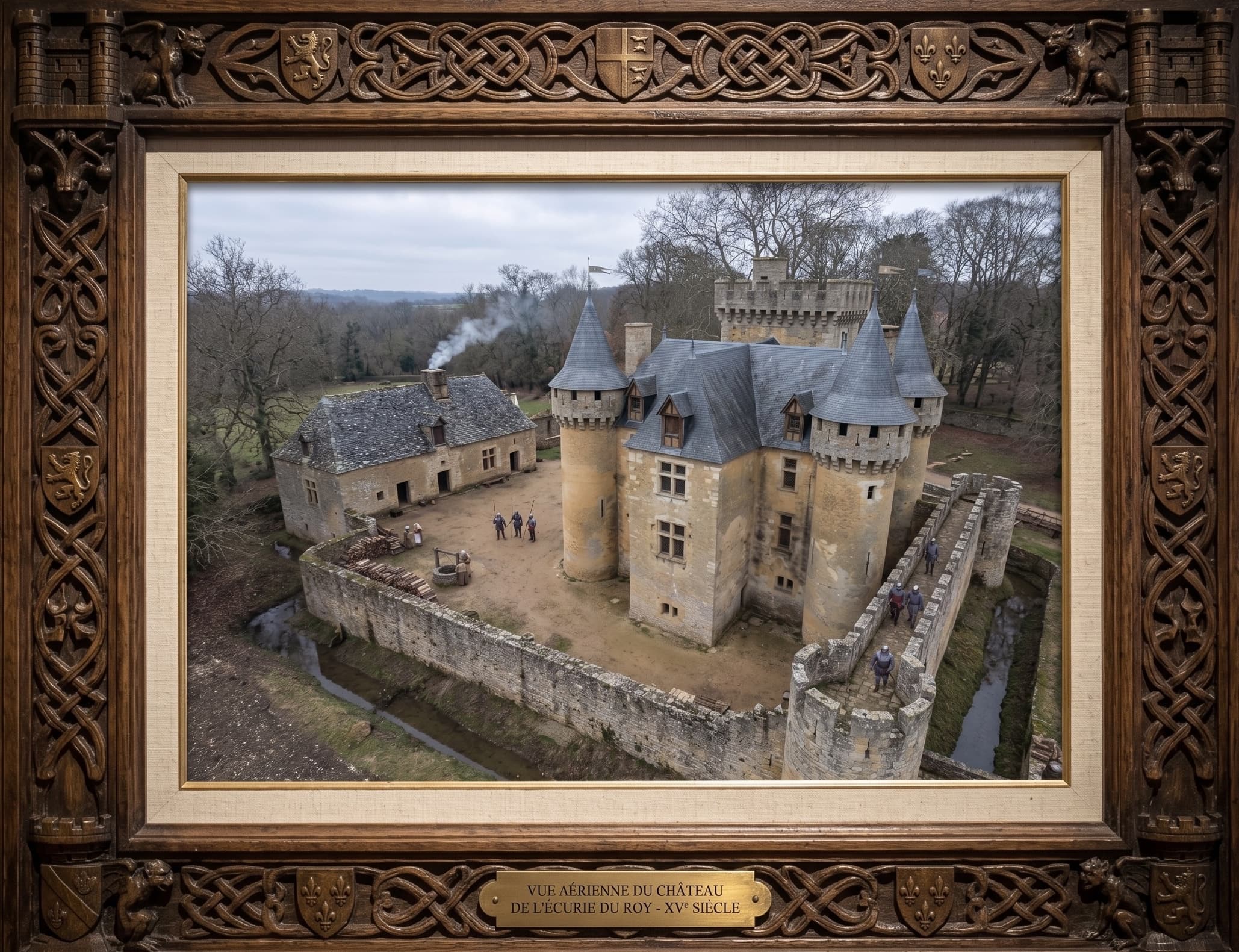
The manor then consisted of a small courtyard enclosed by three U-shaped buildings of one storey, protected by dry moats with a drawbridge. Little remains of this period save a few foundations and the entrance tower — a structure that once supported the drawbridge.
On the Armies' Path
La Goupillère has always stood on the path of the Armagnac and Burgundian armies, who plundered everything in their wake, victors and vanquished alike. The house was burned and destroyed at least once.
Agincourt
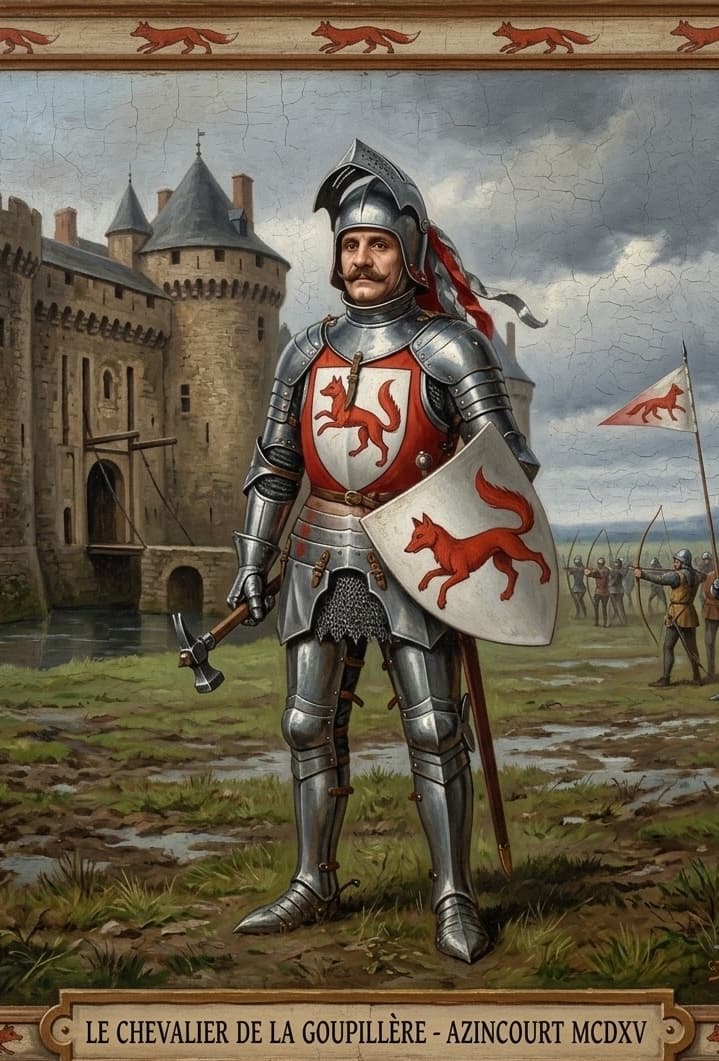
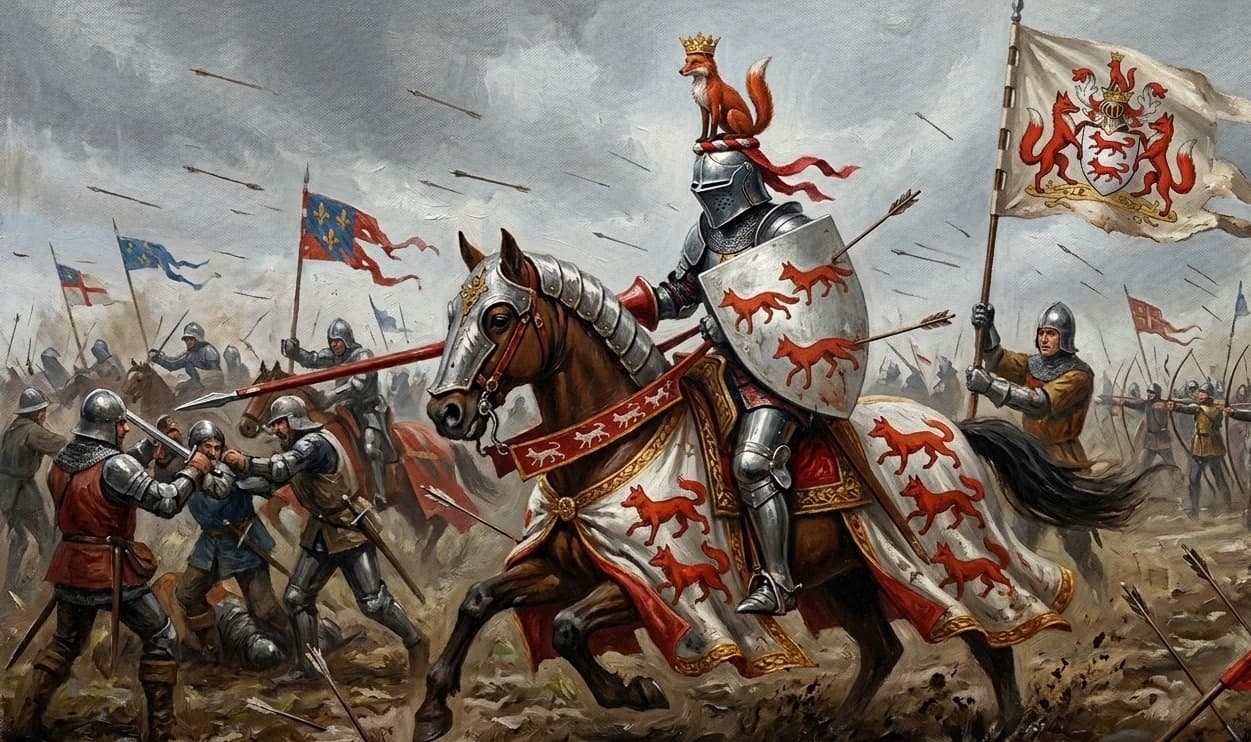
The lords of La Goupillère were above all men of war. To raise troops and acquire arms for the King's armies, they sometimes had to mortgage their tenant farms. One lord of La Goupillère fought at Agincourt.
The Goupil and Moreau Dispute
A long contest over the parish lordship bred fierce enmity between the Goupil and Moreau families in the 15th century. Jean Moreau, lord of Saint-Hilaire, having been interred in the church chancel — a privilege reserved for the patron lord — the sons of Pierre de la Goupillère disinterred him by night and reburied him elsewhere to uphold their rights. After lengthy legal proceedings, they obtained letters of remission dated March 1483.
The Calvinist Lords
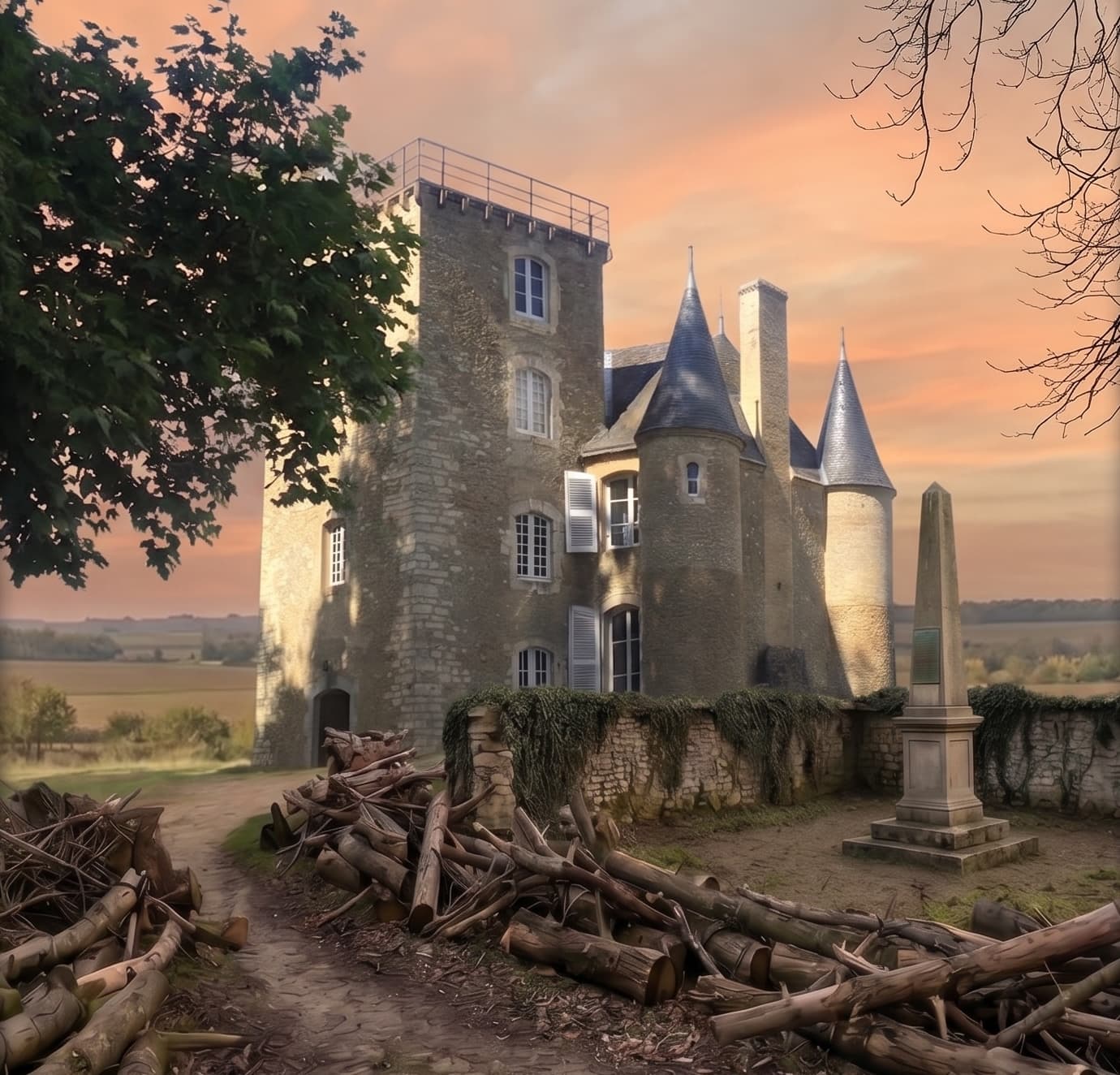
During this period the lords of La Goupillère were Calvinists, and several were buried in the small cemetery known as the Huguenots' ground, with no outward markers, as befitted the customs of the Reformed Church. The monument now standing at its centre was erected in the 19th century by Alexandre de la Goupillère to honour those who rested there.
The Chapel
The chapel is built, complete with a small bell tower and a western entrance fitted with a covered porch.

The Castle's Architecture
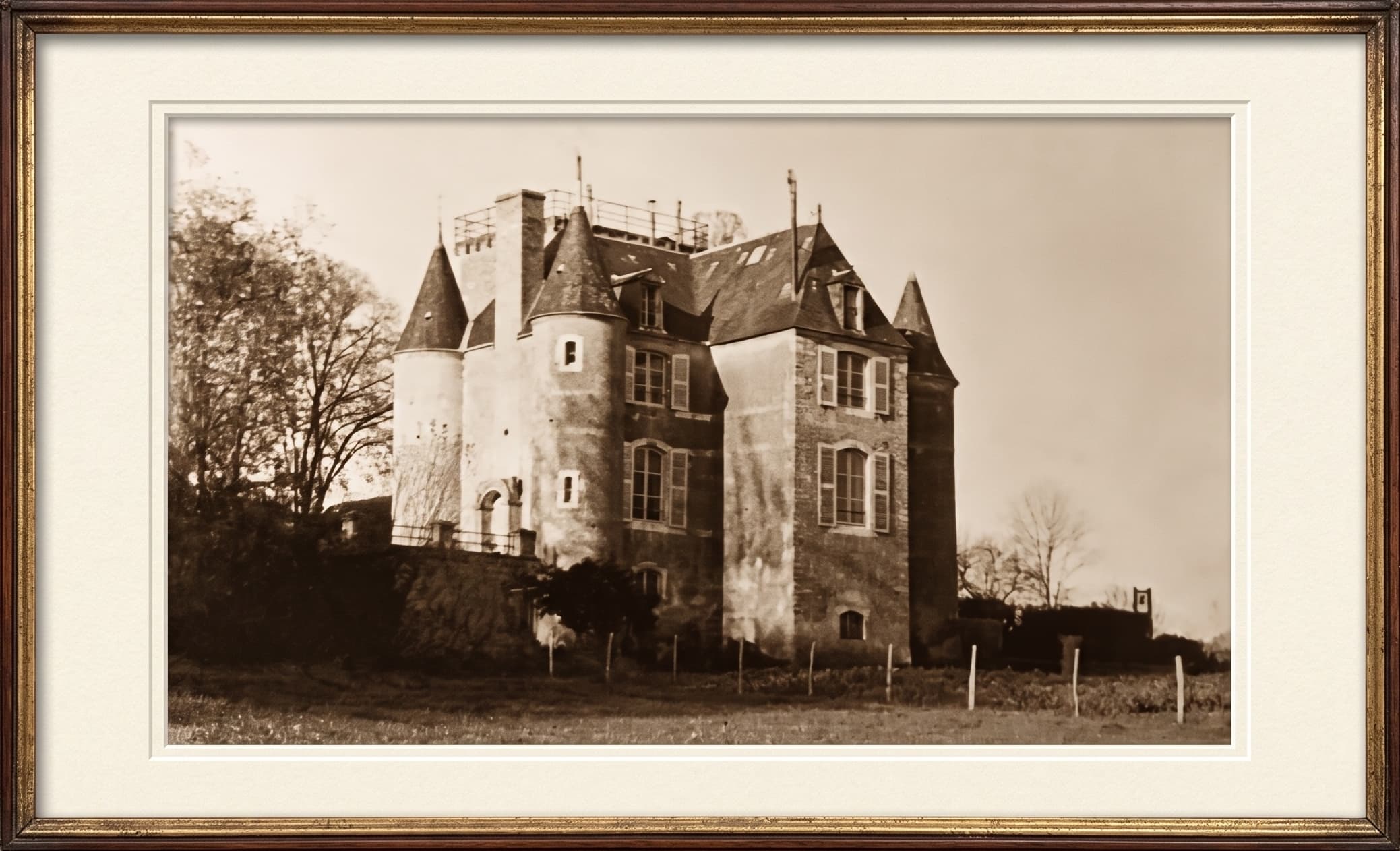
The castle is built atop a hill overlooking the parish of Saint-Hilaire. The earliest structure is the tall square tower, a probable four-storey tower house reflecting 14th-century chivalric lodging. In the 15th century a two-storey double dwelling was added alongside, flanked by four circular towers crowned with pepper-pot turrets and capped with a pavilion roof at the end of the 16th century.

The Final Construction
The new La Goupillère is built in its present form.
The Franco-Prussian War
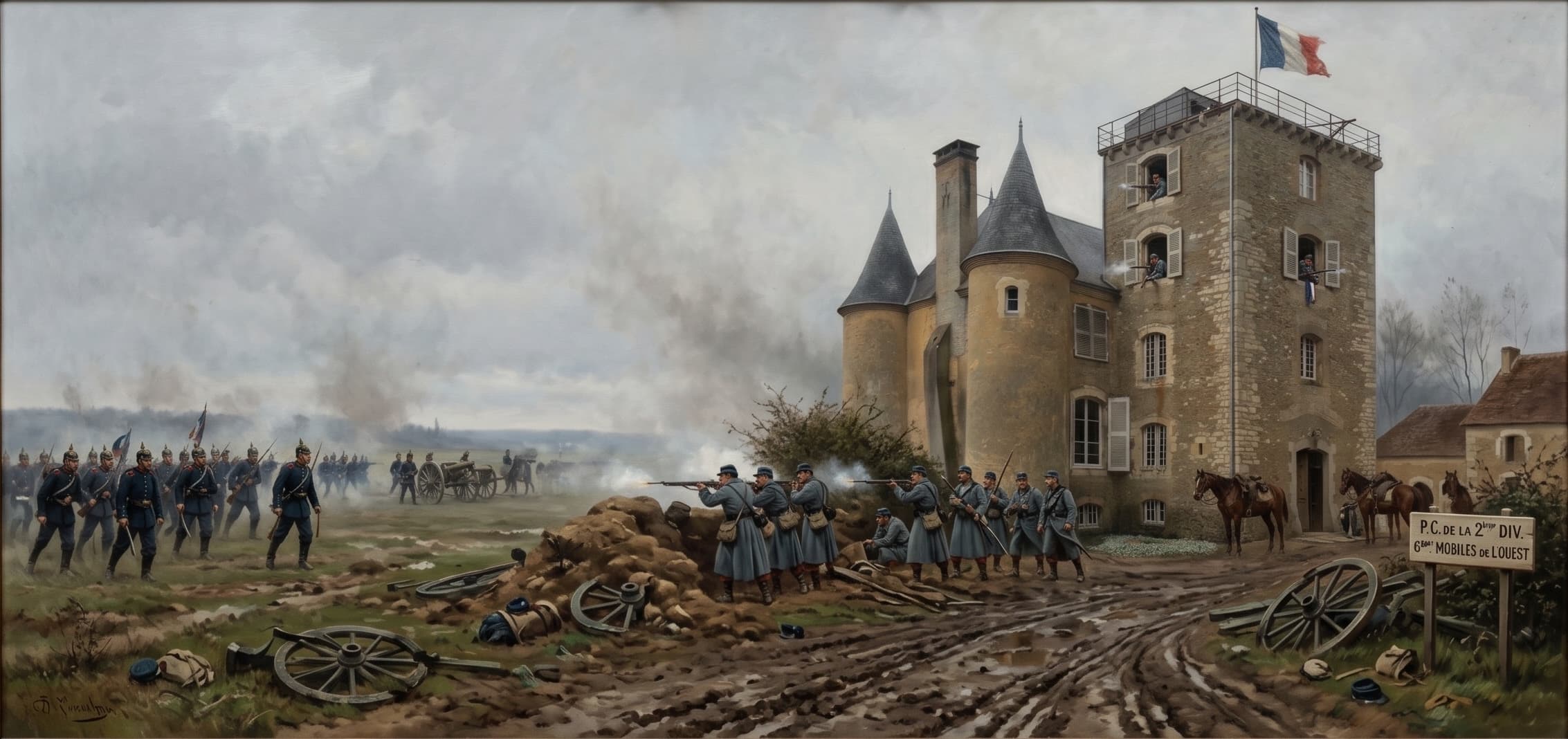
German troops, reaching this far, did not hesitate to burn the furniture for warmth and to commit many other misdeeds.
The Americans at La Goupillère
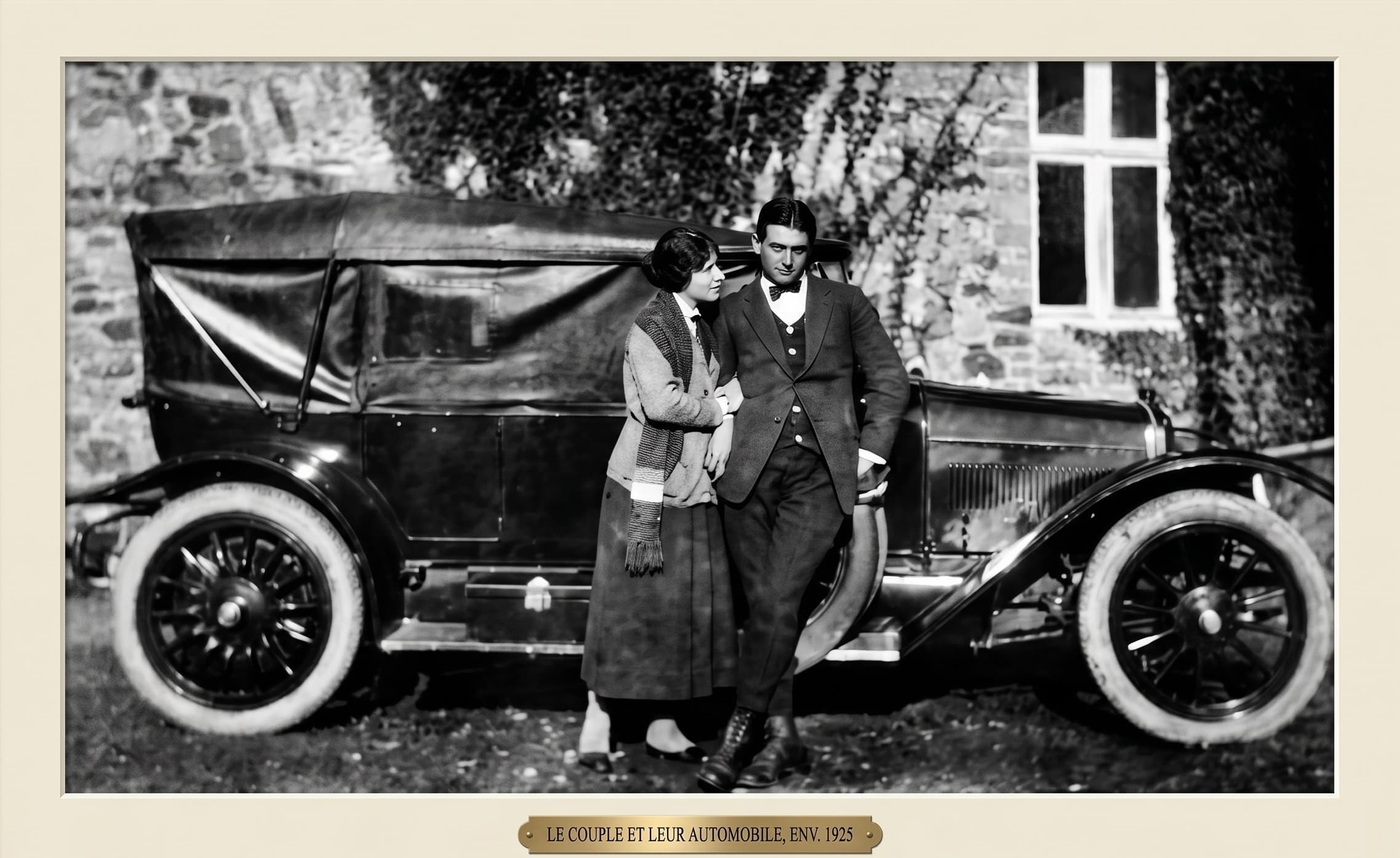
American troops are billeted at La Goupillère and cause even greater damage than the Germans did in 1870.

The Second World War
German troops return once more and content themselves with carrying off souvenirs of France.
Nine Centuries, One Family
The manor of La Goupillère has remained in the same family since its founding. The cartulary has been kept since Colas Goupil's purchase of the land — nine centuries of unbroken history.